
When an older loved one goes through an injury, serious illness, or health event, it can take a while to relax even after the immediate emergency is over. As we get older, it can take us longer to recover from events that impact our health so deeply, and they can have a greater impact on our independence and lifestyle. You want your loved one to recover as best as possible, so what can we do to help an older loved one after a major injury or illness?
Ensure The Right Aftercare
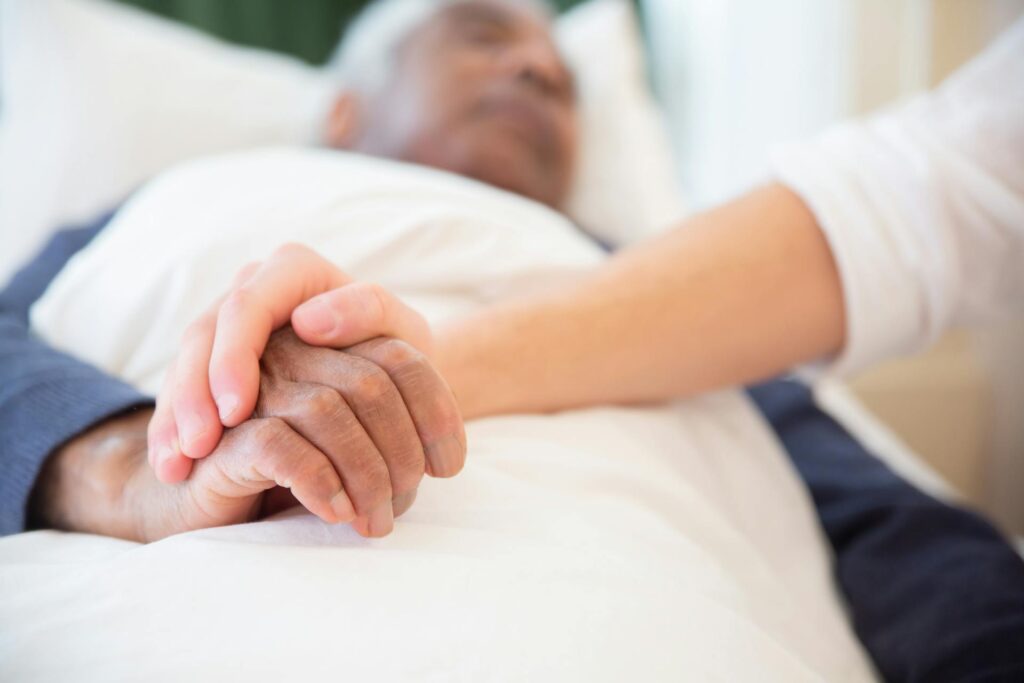
With your loved one’s blessing, work with their doctor to understand their aftercare. Taking care of their physical, medical, and emotional needs can show them that they have the support they might need. Given how common pain, fatigue, and confusion are, helping them with discharge instructions and any medications they might need can help them get back to a calm routine.
Preventing Post-Hospital Syndrome
Older people are more vulnerable to lasting health changes after a hospital stay, due to disrupted routines and changes in sleep and nutrition. Be there to help your loved one gently rebuild strength by making sure that they eat healthily and encouraging light movement (as long as it’s approved by their doctor), such as short walks or physio exercises. The longer the period of inactivity after a hospital stay, the worse it can be for their recovery. You don’t want to rush recovery, but to support steady progress.
Navigating Disability And Physical Changes
Some health events can lead to temporary or permanent disability, which can be as frustrating as it can be life-altering. Providing practical support in managing life with a disability, such as with home modifications like grab rails or stairlifts, can make the home a safe and more independent place. You might also want to help an older loved one to check out mobility options like walkers or wheelchairs.
Ensuring The Right Environment For Recovery
If you’re not able to be there to support their recovery 24/7, or you’re worried that their home isn’t the right environment for it, then finding the best place for them can greatly affect their eventual return to strength. A lot of people benefit from convalescence care in facilities that provide structure, access to therapy, help with daily activities, and ongoing medical oversight. These spaces are designed to reduce strain and promote healing, and can be just the place your loved one needs for a while.
The Risk Of Isolation
People can withdraw while recovering after illness or injury, especially if they’re less capable of moving or leaving the home. Help your older loved one with feelings of loneliness or depression can be important, as it can have a major impact on their mental and cognitive health going forward. Regular visits, phone calls, and involving them in your life can help them maintain a sense of connection and purpose. Finding new routines and hobbies, such as reading or using video calls, can keep them stimulated, as well.
Gentle support and exploring the recovery options around you can help you ensure that your loved one is able to get back to good health as best as possible. Just be sure not to burn yourself out while looking after them.