

Feeling anxious from time to time is something many of us experience, especially as we get older. Health concerns, family responsibilities, finances, and the constant demands of everyday life can leave us feeling overwhelmed. We need to learn how to calm anxiety before it grows into something less manageable.
For me, anxiety has always been part of life, but in recent years I’ve found a handful of simple habits that genuinely help me calm my mind and reset when everything feels like it’s becoming too much.
I’m not talking about clinical anxiety or depression that requires professional treatment. This is about those everyday moments when your mind is racing, you’re lying awake at night, or you simply can’t switch off.
Here are the strategies that have made the biggest difference for me.
1. Get Outside for a Walk
One of the quickest and most effective ways I calm my anxiety is by getting outside.
Whether it’s a five-minute stroll or a longer walk through the park, being surrounded by nature helps me step away from my worries and clear my head.
If you’re lucky enough to have a local park, woodland, or even tree-lined streets nearby, take advantage of them. There’s something incredibly calming about listening to birdsong, watching the trees sway, and simply breathing fresh air.
Research has shown that spending time around trees can help:
- Lower blood pressure
- Slow your heart rate
- Reduce stress hormone (cortisol) levels
- Improve your overall mood
Even just three or four minutes outdoors can make a noticeable difference.
You Don’t Need a Long Walk
Some days an hour-long walk simply isn’t possible.
That’s okay.
Even stepping outside for a few minutes can help press the reset button on your mind. This is always my first option for how to calm anxiety.
2. Bring Nature Indoors with Relaxing Videos
When the weather is terrible or I simply can’t get outside, I like to recreate that peaceful feeling indoors.
One of my favourite alternatives is watching hiking and countryside videos on YouTube.
Beautiful walks through forests, mountains, moorland, or the Scottish Highlands help me feel calmer almost immediately.
If you have a treadmill, even better—you can combine a gentle walk with relaxing scenery for an experience that feels surprisingly close to being outdoors.
The key is choosing content that slows your mind instead of overstimulating it.
3. Clear Your Mind with Morning Pages
One habit that’s made a huge difference for me is something called Morning Pages, inspired by the book The Artist’s Way.
The idea is wonderfully simple:
Every morning, sit down with a notebook and write three pages without stopping.
Don’t worry about grammar.
Don’t worry about making sense.
Just write whatever comes into your head.
It might include:
- Worries
- Random thoughts
- Dreams
- Ideas
- Frustrations
- Things you’re grateful for
The goal isn’t to create something worth reading.
The goal is to empty your mind.
By the time I reach the third page, I almost always feel calmer because everything that was circling around my head is now safely on paper.
If you get stuck?
Simply write, “I don’t know what to write.”
Keep your pen moving.
It really does work.
4. Listen to Calm, Mindful Content
Although I’m not particularly religious, I’ve discovered that listening to calming Buddhist-inspired mindfulness talks helps settle my mind.
Many of these videos focus on ideas such as:
- Letting go of things you can’t control
- Finding peace in the present moment
- Appreciating solitude
- Building healthier habits
Whether it’s the soothing voice, peaceful imagery, or thoughtful messages, spending 10–15 minutes listening first thing in the morning often leaves me feeling much more relaxed.
You don’t have to follow a particular belief system to benefit from mindful thinking.
Sometimes simply slowing down and listening is enough.
5. Remove Things That Increase Your Anxiety
Sometimes we can’t remove the biggest sources of stress in our lives.
Health worries, family concerns, and financial pressures often aren’t things we can simply switch off.
What we can do is stop adding unnecessary stress.
For me, that sometimes means:
- Taking a break from social media
- Avoiding endless scrolling on TikTok
- Limiting the news
- Stepping away from YouTube when it starts feeling overwhelming
I’ve even taken breaks from creating content when I noticed I was becoming too focused on views, comments, or comparing myself to others.
Stepping away for a while helped me return feeling refreshed.
Ask yourself:
What’s adding stress that doesn’t actually need to be there?
Removing even one unnecessary source of anxiety can make a surprising difference.
6. Get Creative
Creative hobbies are one of my favourite forms of therapy.
When I’m painting, journaling, crafting, or experimenting with art supplies, my mind naturally focuses on what I’m creating instead of everything I’m worrying about.
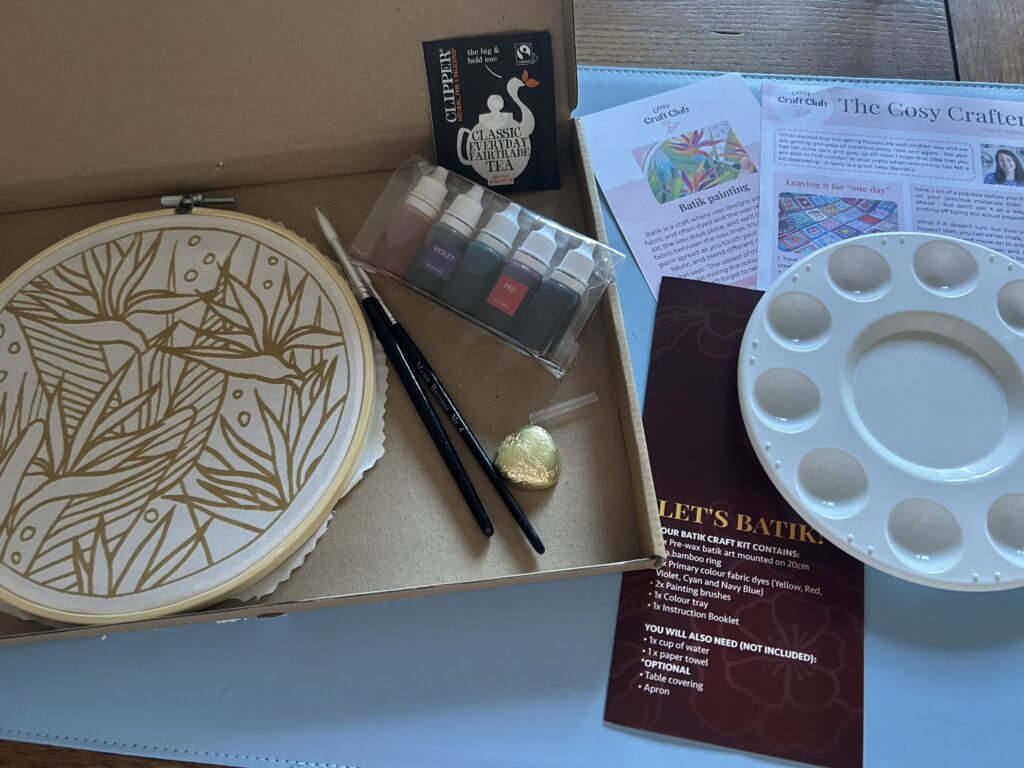
You don’t have to be artistic.
Creativity looks different for everyone.
It could be:
- Painting
- Crafting
- Cooking
- Knitting
- Building LEGO
- Scrapbooking
- Gardening
- Writing
The activity itself isn’t as important as giving your brain permission to focus on something enjoyable.
Creating something with your hands can be incredibly calming.
7. Read Something Positive
Finally, one of the simplest ways I relax is by picking up an uplifting book or magazine.
Positive reading helps shift your focus away from worries and into a calmer, more hopeful mindset.
I really enjoy the Breathe magazine, even just looking at the beautiful art contained in the pages lifts my spirits.
I particularly enjoy books that feel comforting and optimistic, as well as magazines focused on mindfulness and wellbeing.
Rather than filling your mind with constant bad news, spend even twenty minutes reading something that inspires, comforts, or encourages you.
It can completely change the tone of your day.
Final Thoughts
Anxiety doesn’t always disappear completely.
Life will always bring challenges.
But I’ve found that these small daily habits help stop those worries from taking over.
The important thing is finding what works for you.
Even introducing just one of these ideas into your daily routine could help you feel calmer, clearer, and better able to cope with whatever life throws your way.
Remember, if your anxiety feels overwhelming, persistent, or is affecting your daily life, it’s important to seek advice from a healthcare professional. There’s absolutely no shame in asking for help.
Frequently Asked Questions
What is the quickest way to calm anxiety naturally?
Getting outside for a short walk, practising mindful breathing, or writing your thoughts down in a notebook are all simple techniques that can help reduce anxious feelings quickly.
Do creative hobbies really help with anxiety?
Yes. Creative activities encourage your brain to focus on the present moment, which can interrupt anxious thought patterns and promote relaxation.
Can journaling reduce anxiety?
Many people find journaling helpful because it allows them to process thoughts and emotions instead of carrying them around mentally. Morning Pages is one simple journaling method worth trying.
Ready to Try One?
If you’re feeling overwhelmed, choose just one of these ideas today. Whether it’s taking a short walk, writing a few pages in a notebook, or simply reading something uplifting, small changes can have a big impact over time.
And I’d love to hear from you—which habit helps you feel calmer when anxiety starts creeping in? Share your favourite techniques in the comments below.