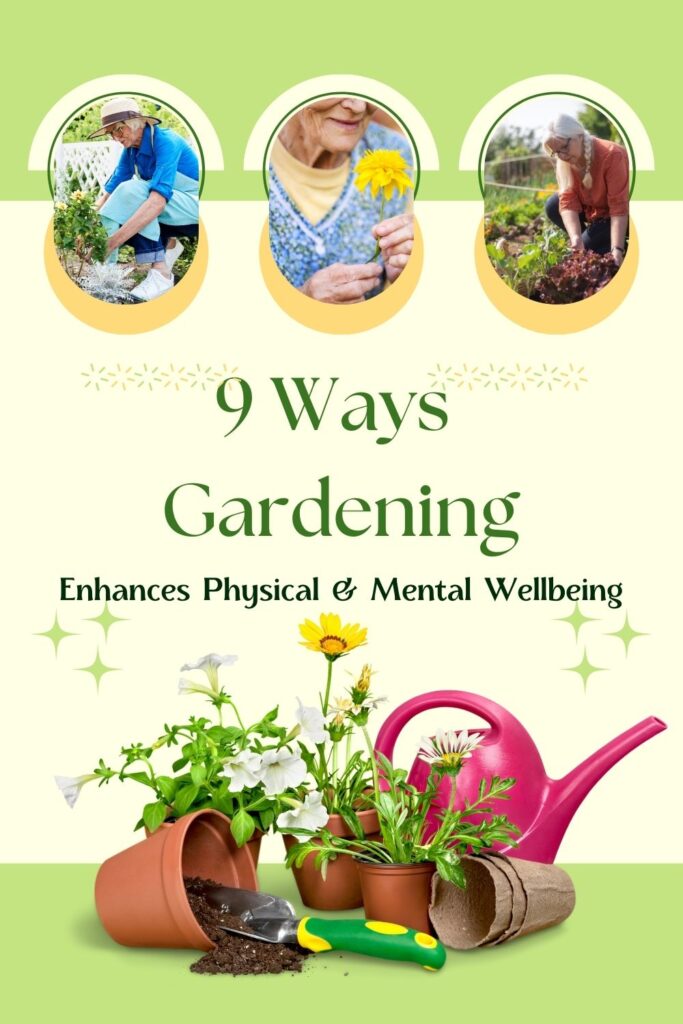
As we become older, finding hobbies that are both mentally and physically stimulating becomes more crucial. You may have heard about yoga or water aerobics, but they might not be quite what you’re looking for. If you want something both enjoyable and beneficial, why not try gardening? It may be a bit messy, but gardening for seniors can be easily tailored to everyone’s interests and abilities. It reduces blood pressure, offers physical activity, enhances motor skills, eases tension, and much more.
Many senior living homes set up some kind of community garden because of the long list of health advantages that gardening offers. In this article, you’ll discover the many advantages gardening offers seniors, as well as some advice on how to make it a simple and enjoyable hobby.
Physical Benefits of Gardening for Seniors
Dexterity Maintenance
Gardening is a great way for seniors to keep their hands and fingers active. Simple tasks like planting seeds, pulling weeds, and trimming plants help strengthen fingers and support fine motor skills. These little movements can keep joints flexible and avoid stiffness. It’s a gentle, enjoyable way to maintain hand strength and ease arthritis discomfort.
It is important to note that while gardening is rewarding, uneven ground and hard-to-reach areas can make it challenging for seniors. A smooth, slip-resistant surface like composite decking provides safe, stable pathways, reducing the risk of trips and falls. For sloped gardens, tiered decking with steps makes movement easier, while raised garden beds minimise bending and strain. Also, since composite decking boards, when installed, require minimal maintenance, there’s no need to worry about rot, splinters, or constant upkeep, just more time enjoying the garden.
It Offers an Enjoyable, Moderately Intense Exercise
Gardening is a fun way for seniors to stay active without overdoing it. Digging, planting, watering, and pulling weeds give the body a steady workout. It helps build strength, improves balance, and keeps the heart healthy. Unlike intense exercises, gardening feels relaxing while still burning calories and boosting fitness. The best part is it doesn’t feel like exercise; it’s more like a hobby with health perks. Even a few hours a week can make a big difference.
Provides Better Sleep
Gardening can help seniors sleep better at night. The body is adequately spent by the exercise from gardening, which aids in falling and staying asleep. Fresh air and sunlight also play a role in improving sleep patterns. Being in nature calms the mind and reduces stress, which helps the body relax. Gardening creates a peaceful routine that signals it’s time to rest once the day is done.
Improves Balance and Coordination
Gardening is a great way for seniors to boost balance and coordination. Simple actions like bending, reaching, and moving around the garden help strengthen muscles and improve stability. These small movements train the body to stay steady and reduce the risk of falls. Gardening also keeps the mind sharp by combining movement with focus. With every plant watered and flower trimmed, coordination improves bit by bit. Staying active in the garden keeps the body steady and strong while offering a relaxing way to stay fit.
Provides Vitamin D
Gardening is an easy way for seniors to get their daily dose of vitamin D. Spending time outside in the sunlight helps the body naturally produce this important vitamin. Vitamin D plays a key role in the absorption of calcium, which is essential for strong bones and a healthy immune system. But remember to wear sunscreen when gardening outside to protect your skin from the sun. It’s a simple, enjoyable way to stay healthy without needing supplements.
Mental Benefits of Gardening for Seniors
Promotes Socialisation
Seniors can interact with others through gardening. It’s an activity you can share with your family, friends, or neighbours. Community gardens are great spots to meet new people and exchange gardening tips. Talking about plants or helping each other out builds friendships and fights loneliness. Even casual chats over a garden fence can brighten the day. Sharing flowers or fresh vegetables with others spreads joy and strengthens relationships. Gardening creates a sense of community, keeping seniors engaged and socially active while enjoying something they love.
Boosts Mood and Sense of Reward
Gardening lifts the spirits and provides a sense of accomplishment. Watching plants grow from seeds to full bloom brings a feeling of pride and joy. The small successes in the garden, like a new flower or ripe vegetable, create a natural high. Being outdoors in nature and surrounded by beauty also helps reduce stress and anxiety. The physical activity of gardening releases feel-good chemicals in the brain, boosting overall mood.
Sparks Creativity and Self-Expression
Gardening gives seniors a chance to be creative and express themselves. Choosing colours, arranging plants, and designing garden spaces can reflect personal style. Whether planting flowers in unique patterns or growing vegetables in different shapes, it’s an opportunity to create something beautiful. Gardening lets you experiment with new ideas, turning a simple garden into a personal masterpiece. It’s a stress-free way to enjoy creativity and feel accomplished.
Fosters Mindfulness
Gardening helps seniors practice mindfulness by encouraging them to stay present in the moment. As they focus on planting, watering, and tending to their garden, it’s easy to forget about daily worries. The repetitive tasks, like pulling weeds or trimming plants, become a peaceful form of meditation. Being outside surrounded by nature helps calm the mind and reduce stress. This simple act can improve mental clarity and emotional well-being, bringing a peaceful state of mind.
Conclusion
Gardening has numerous physical and mental benefits for seniors. It is a therapeutic exercise that encourages social connection, physical fitness, cognitive stimulation, and relaxation. By making gardening a part of daily life, seniors can enjoy a healthier, more fulfilling, and active lifestyle.